 by
by Tony Khan Explains the Birth of AEW and Names His Wrestling Mount Rushmore
AEW CEO and President Tony Khan sat down as a guest on the Marking Out with MVP & Dwayne Swayze podcast for a long, fact-based conversation about the business of professional wrestling, his own fandom, and the timeline of how All Elite Wrestling actually came together.
Below is a breakdown of the topics Khan covered and the quotes that landed.
The Influence of Japanese Wrestling
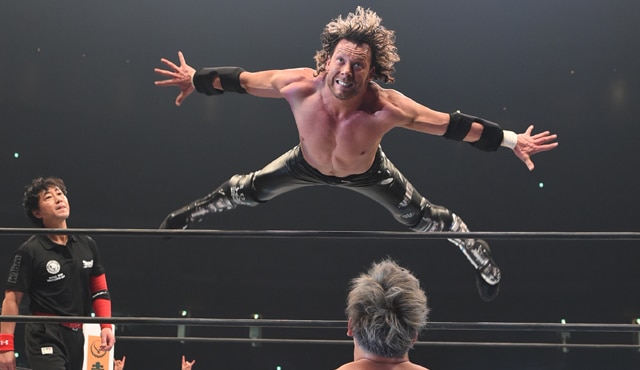
Khan opened the interview talking about his admiration for the hard-hitting Japanese style and his respect for MVP’s run in New Japan Pro Wrestling. He pointed out that MVP was always an American wrestler who could thrive in a Japanese environment, which is not a thing every American wrestler can pull off.
He also recalled watching MVP face Chris Benoit for the United States Championship at a WWE house show in Champaign, Illinois on Super Bowl Sunday in February 2007, calling it “by far the best match on the show”.
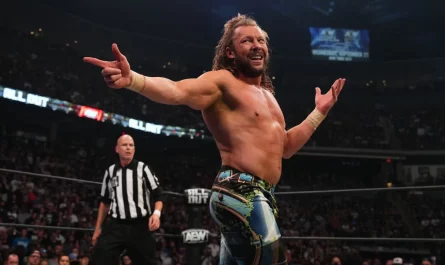
When the conversation moved to elite in-ring work, Khan went deep on the first Kenny Omega vs. Kazuchika Okada match from NJPW. He compared their rivalry to The Godfather films, saying they followed up a “perfect match” with sequels that held the same standard without ever feeling repetitive.
The Birth of All Elite Wrestling
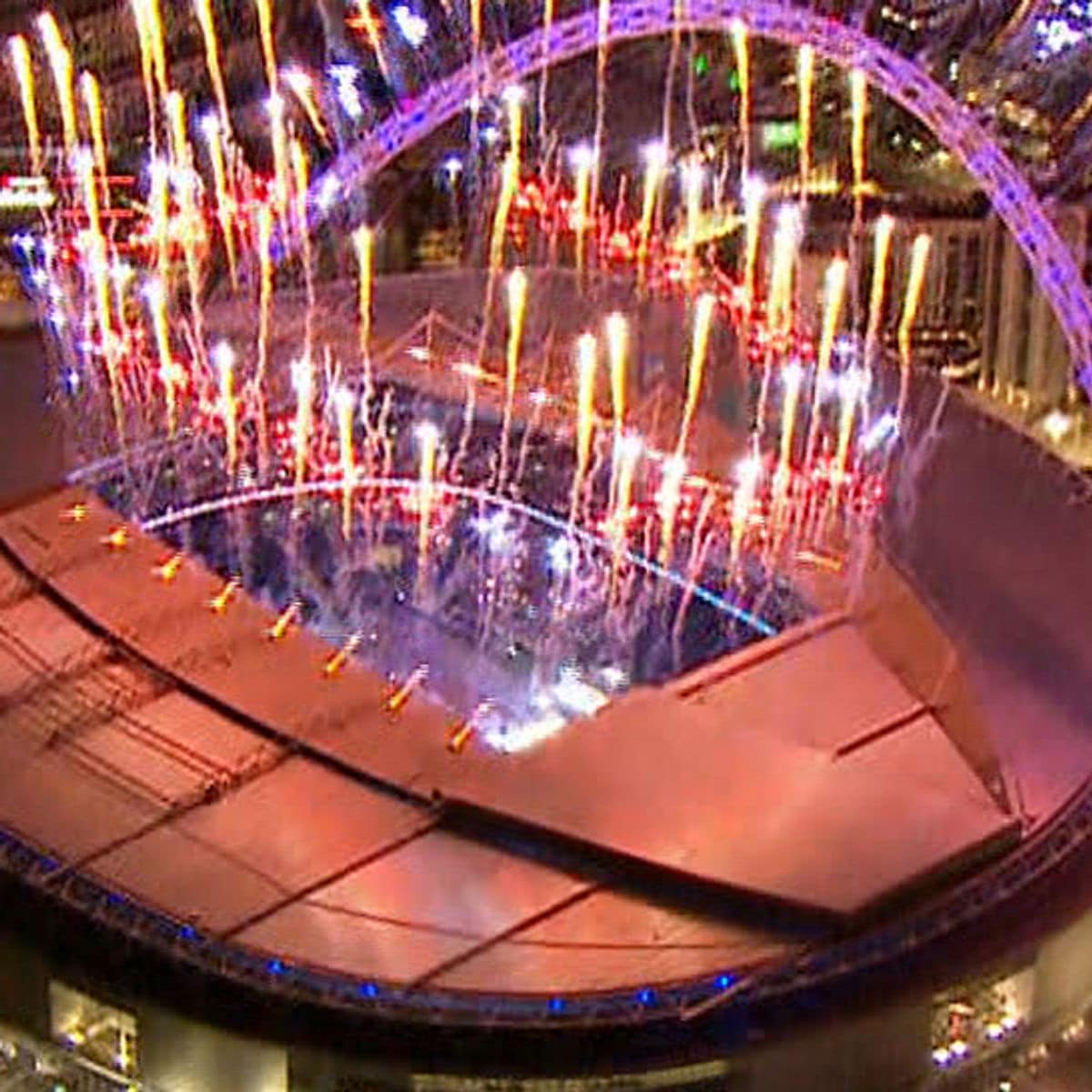
Khan pinpointed the moment AEW went from idea to inevitability: an April 6, 2018 party in Beverly Hills. He saw the economics of wrestling shifting underneath everyone, with television rights becoming the primary financial driver to pay wrestler salaries and company costs.
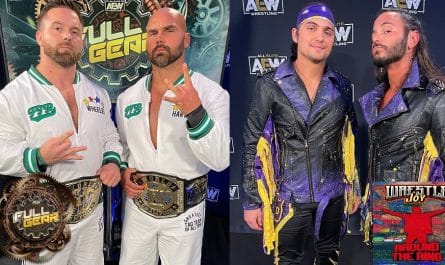
At the same time, NJPW was booming on the back of Kenny Omega and Chris Jericho, and The Young Bucks, Cody Rhodes, and Hangman Page were drawing real attention. Several of those top stars had contracts coming up at the start of 2019. Khan saw the opening.
“I walked into this party and I saw somebody I knew, the president of TBS and TNT at the time, Kevin Riley, and it all kind of… a light bulb went off,” Khan explained. “We grew up on wrestling on TBS and TNT… There’s no wrestling at that point on TBS or TNT. And it to me all came together to create this perfect opportunity for AEW to feature a brand of wrestling, a style of wrestling, and bring in top stars from Japan.”
Tony Khan’s Wrestling Mount Rushmore
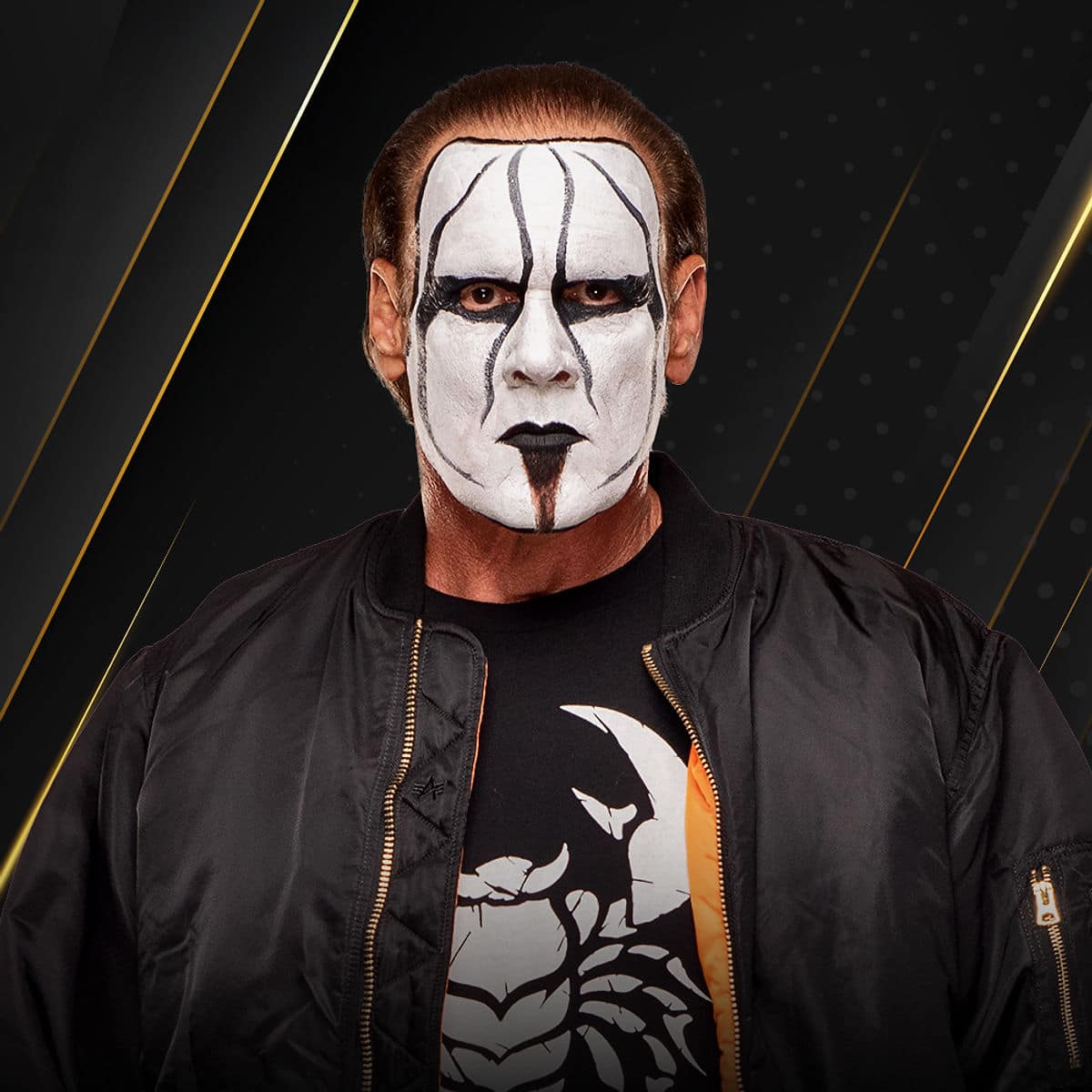
Asked for his personal Mount Rushmore of professional wrestling, Khan went with four legends from his childhood:
“Stone Cold” Steve Austin: “I’ve been a fan of Steve Austin since he first started wrestling on television… I think that Steve Austin would be the very first person I would put on any wrestling Mount Rushmore.”
Ric Flair: “The person I grew up on… the person that I followed for the longest time who I thought wrestled at the highest level.”
Bret “The Hitman” Hart: Khan praised Hart’s consistency on American television and how the quality of his matches stood out to him even as a kid.
Sting: Khan talked about being a Sting fan his whole life and the pride of hosting his retirement run in AEW. He said a signed turnbuckle and a personal note from Sting after his last match are likely his most prized possessions.
(Khan added Ricky “The Dragon” Steamboat as his fifth honorable mention if the list could expand.)
Then he flipped the frame. If the Rushmore were based purely on wrestlers he knows and has worked with, the names change.
“I think Kenny Omega is the greatest wrestler I’ve ever seen,” Khan declared.
Leadership Under Pressure
Khan was asked what real leadership looks like behind the scenes, especially from the “Go” position when a live show is already moving. His answer focused on adaptability and protecting the people in the building, both the talent and the fans.
“There could be a big injury and you need to change plans, and sometimes it needs to be a quick decision… quick thinking and trying to make sure that you take care of the people, make sure that you worry about the wrestlers and make sure that you worry about the fans,” Khan said. “If you keep the wrestlers and the fans in good shape and keep everything running strong, then you’re going to have a good wrestling company.”
Dirt Sheets and Wrestling Media
The interview turned into a small debate over the value of “dirt sheets,” the wrestling newsletters and reporters that have shaped fan conversation for decades. MVP pushed back on the rumor side and the lack of verification. Khan took the other position and argued that the upside outweighs the downside.
He credited newsletters with educating him about international wrestling in Japan and Mexico when he was growing up. He acknowledged that wrestling journalism does not hold the same standards as traditional sports coverage like football, but he said having dedicated writers covering the business year-round is a healthy thing for the sport.
“I definitely think the positives would far outweigh the negatives when it comes to wrestling newsletters and wrestling media,” Khan stated. “There are the benefits from the coverage that you get, just like with… any other sport where you want to have the top writers talking about what they see, giving their opinions.”
Source / Watch the full episode: Tony Khan Explains How AEW Was Born (EP. 51) on Marking Out with MVP & Dwayne Swayze